
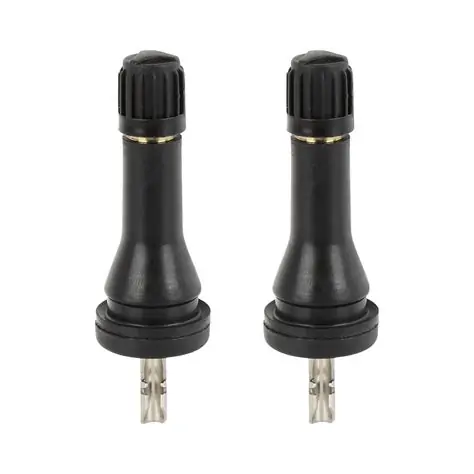
Discover the role, importance, common issues, maintenance tips, and benefits of upgrading your TPMS sensor valve stem for optimal vehicle safety.In today’s world, ensuring your vehicle’s safety and performance goes beyond just regular maintenance; it’s about understanding the technology that keeps you on the road safely. One crucial component in this equation is the TPMS (Tire Pressure Monitoring System) sensor valve stem. This small but mighty part plays a vital role in monitoring tire pressure, providing real-time feedback that can prevent dangerous blowouts and improve fuel efficiency. In this blog post, we will delve into what a TPMS sensor valve stem is, its importance, common issues that can arise, and essential maintenance tips. Additionally, we will explore the benefits of upgrading to high-quality TPMS sensor valve stems to enhance your vehicle’s performance and reliability. Join us on this journey to better understand a key aspect of tire safety!
What is a TPMS sensor valve stem?
A TPMS sensor valve stem is an essential component of a vehicle’s tire pressure monitoring system (TPMS). This system is designed to monitor the air pressure within the tires and alert the driver when the tire pressure falls below a predetermined level. The TPMS sensor valve stem not only integrates the sensor that detects tire pressure but also serves as the valve stem through which air is inflated or deflated from the tire.
The TPMS sensor valve stem typically consists of:
- Valve Stem: The part that allows air to enter or exit the tire.
- Pressure Sensor: A device that gauges the air pressure inside the tire and sends data to the vehicle’s on-board computer.
- Battery: A power source that enables the sensor to operate and communicate data.
Overall, the TPMS sensor valve stem plays a critical role in ensuring safe driving by maintaining optimal tire pressure, which can significantly affect fuel efficiency, tire wear, and overall vehicle performance. By providing real-time monitoring, it helps prevent potential tire blowouts and promotes better driving safety.
Maintaining proper tire pressure is not just a matter of safety; it also enhances your vehicle’s performance and efficiency.
Importance of TPMS sensor valve stem
The TPMS sensor valve stem plays a crucial role in modern vehicles equipped with Tire Pressure Monitoring Systems (TPMS). Understanding the importance of this component can enhance your driving experience and ensure your safety on the road.
Here are some key reasons why the TPMS sensor valve stem is essential:
- Real-time Monitoring: The TPMS sensor valve stem constantly monitors the air pressure in your tires. This helps detect any significant drop in tire pressure, allowing you to address potential issues before they lead to accidents.
- Safety Enhancement: Maintaining optimal tire pressure is vital for vehicle stability and safety. A functioning TPMS sensor valve stem alerts drivers of any pressure imbalances, reducing the risk of tire blowouts.
- Fuel Efficiency: Properly inflated tires improve fuel economy. The TPMS sensor valve stem ensures that your tires are at the correct pressure, which can lead to better gas mileage and savings at the pump.
- Prolonged Tire Life: By keeping tires at their recommended pressure, the TPMS sensor valve stem helps extend the life of your tires, reducing the need for frequent replacements and saving money over time.
In summary, the TPMS sensor valve stem is not just a minor component; it is integral to the overall function and safety of your vehicle. Investing in a quality TPMS system, including the valve stem, is a wise decision for any vehicle owner.
Common issues with TPMS sensor valve stem
The TPMS (Tire Pressure Monitoring System) sensor valve stem is a crucial component of modern vehicles, designed to monitor tire pressure and ensure safety while driving. However, like any mechanical part, it can experience various issues over time. Below are some common problems associated with TPMS sensor valve stems:
- Leaking Valve Stems: One of the most frequent issues is a leaking valve stem. This can occur due to wear and tear, exposure to harsh weather conditions, or improper installation. A leaking valve can cause a loss of tire pressure, leading to reduced fuel efficiency and increased tire wear.
- Sensor Malfunction: The TPMS sensor itself can become faulty due to exposure to water or road contaminants. This malfunction may cause the warning light on the dashboard to illuminate unnecessarily or fail to alert the driver of low tire pressure.
- Corrosion: Over time, corrosion can build up on the valve stem, especially if exposed to road salt or other chemicals. This can lead to failure in the sealing capability of the stem, allowing air to escape from the tire.
- Improper Installation: During tire changes or replacements, if the TPMS sensor valve stem is not installed correctly, it can lead to various issues. This might include leaks or even damage to the sensor, ultimately leading to malfunction.
- Battery Life: Some TPMS sensors come with batteries that eventually lose their charge. Once the battery dies, the sensor will no longer communicate with the vehicle’s TPMS system, resulting in a malfunction or false readings.
Addressing these common issues promptly is essential for maintaining the safety and efficiency of your vehicle. Regular inspections and proper maintenance can help extend the life of your TPMS sensor valve stem and improve overall driving safety.
How to maintain TPMS sensor valve stem
The TPMS (Tire Pressure Monitoring System) valve stem is a crucial component that plays a significant role in ensuring the safety and efficiency of your vehicle. To keep it functioning optimally, maintenance is key. Here are some essential tips on how to properly maintain your TPMS sensor valve stem:
- Regular Inspections
- Keep Tires Properly Inflated
- Avoid Excessive Force During Tire Changes
- Use High-Quality Valve Stems
- Monitor for Warning Lights
- Protect from Harsh Conditions
Inspect the TPMS valve stems regularly for any signs of wear and tear, including cracks or leaks. This can prevent potential issues before they arise.
Ensure that your tires are inflated to the manufacturer’s recommended levels. Underinflation or overinflation can lead to excess pressure on the valve stem, potentially causing damage.
When changing tires, handle the valve stems with care. Excessive force can break or damage the TPMS sensor that is housed within the valve stem.
When replacing valve stems, always opt for high-quality replacement parts. Cheaper alternatives may not be durable and could lead to premature failure.
Pay attention to your dashboard warning lights. If the TPMS warning light illuminates, it may indicate a problem with the sensor or valve stem that requires immediate attention.
Exposure to harsh weather conditions can deteriorate the valve stem over time. Park in a garage or use tire covers when necessary to protect from elements like extreme heat or cold.
By following these maintenance tips, you can extend the life of your TPMS sensor valve stem and ensure the safety and performance of your vehicle.
Upgrading to high-quality TPMS sensor valve stem
Upgrading to high-quality TPMS sensor valve stems can significantly enhance the performance and reliability of your vehicle’s tire pressure monitoring system. While many vehicle owners may overlook the importance of these components, understanding their value can lead to better safety and vehicle maintenance.
Why Upgrade?
- Enhanced Durability: High-quality TPMS sensor valve stems are made from superior materials that resist wear and tear, providing a longer lifespan.
- Improved Accuracy: Upgrading ensures that your TPMS provides accurate tire pressure readings, which is crucial for maintaining optimal tire health.
- Reduced Risk of Failure: Poor-quality valve stems can lead to sensor failure, potentially causing tire blowouts or accidents due to inadequate tire pressure monitoring.
Features of High-Quality TPMS Sensor Valve Stems
| Feature | Description |
|---|---|
| Material | High-quality rubber or aluminum that can withstand extreme temperatures and pressure. |
| Pressure Range | Designed to accommodate a wide range of pressure settings, suited for various vehicle types. |
| Corrosion Resistance | Coated or treated to prevent corrosion from environmental exposure, especially in harsh climates. |
Tips for Upgrading
When considering an upgrade to high-quality TPMS sensor valve stems, keep the following tips in mind:
- Choose a reputable manufacturer known for quality and performance in automotive parts.
- Consult with a professional mechanic to ensure proper installation and compatibility with your vehicle.
- Regularly inspect your TPMS system after upgrading to maintain optimal performance.
By investing in high-quality TPMS sensor valve stems, you not only improve the reliability of your tire pressure monitoring system but also enhance your vehicle’s overall safety and efficiency.
Frequently Asked Questions
What is a TPMS sensor valve stem?
A TPMS (Tire Pressure Monitoring System) sensor valve stem is a component used in vehicles to monitor tire pressure and alert the driver when a tire is under-inflated.
How does the TPMS sensor valve stem work?
The TPMS sensor valve stem functions by using a pressure sensor, typically located inside the tire, that sends real-time data to the vehicle’s onboard computer to monitor tire pressure levels.
What are the benefits of having a TPMS sensor valve stem?
The benefits include improved safety through the prevention of tire blowouts, enhanced fuel efficiency due to properly inflated tires, and the convenience of real-time tire pressure monitoring.
Can TPMS sensor valve stems be replaced?
Yes, TPMS sensor valve stems can be replaced if they are damaged or malfunctioning. It’s important to have them serviced by a professional to ensure proper recalibration.
How do I know if my TPMS sensor valve stem is failing?
Signs of a failing TPMS sensor valve stem include a continuous warning light on the dashboard, inconsistent tire pressure readings, or difficulties in resetting the TPMS system after tire changes.
Are there different types of TPMS sensor valve stems?
Yes, there are two main types of TPMS sensors: direct TPMS sensors, which measure the actual pressure inside the tire, and indirect TPMS sensors, which calculate pressure based on wheel speed and other data.
What should I do if my TPMS sensor valve stem warning light comes on?
If the warning light comes on, check your tire pressures manually. If the pressures are fine, it might indicate a sensor issue or a malfunctioning TPMS system that needs attention from a mechanic.