
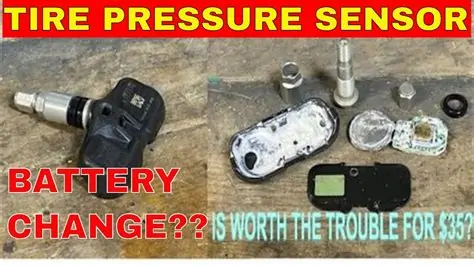
Explore TPMS sensors, diagnose common issues, learn replacement methods, and maintain functionality for optimal vehicle safety and performance.**Blog Title: TPMS Sensors Not Working**
When it comes to vehicle safety, Tire Pressure Monitoring System (TPMS) sensors play a crucial role in ensuring your tires are properly inflated and functioning optimally. However, like any technical component, these sensors can sometimes fail or malfunction, resulting in warning lights that can be both perplexing and frustrating. In this blog post, we’ll delve into the intricacies of TPMS sensors, exploring common issues that can cause them to misbehave and how you can effectively diagnose these problems. We’ll also discuss the steps for replacing faulty sensors and how to maintain their functionality over time. Whether you’re a seasoned driver or a novice car owner, understanding TPMS sensors will empower you to keep your vehicle safe and roadworthy. Join us as we unravel the complexities of this vital safety feature!
Understanding TPMS Sensors
Tire Pressure Monitoring Systems (TPMS) are essential components in modern vehicles designed to monitor the air pressure inside the tires. These sensors are crucial for maintaining optimal tire performance, enhancing safety, and improving fuel efficiency.
TPMS sensors come in two main types: direct TPMS and indirect TPMS.
| Type of TPMS | Description |
|---|---|
| Direct TPMS | These sensors are mounted on each tire and measure the internal tire pressure directly. They transmit real-time data to the vehicle’s onboard computer. |
| Indirect TPMS | This system does not rely on physical sensors in each tire. Instead, it uses the vehicle’s ABS (Anti-lock Braking System) sensors to estimate tire pressure based on the rotational speed of the tires. |
Understanding how TPMS sensors work can help owners identify issues before they escalate. Each sensor is battery-operated and typically lasts between 5 to 10 years, depending on the vehicle’s usage and maintenance. When the TPMS warning light illuminates on the dashboard, it indicates that one or more tires may be under-inflated or that there is a malfunction within the system itself.
Key components of direct TPMS include:
- Pressure Sensor: Measures the tire pressure and communicates with the vehicle’s computer.
- Transmitter: Sends pressure data wirelessly to the vehicle’s dashboard.
- Warning Light: Alerts the driver about low pressure or system malfunctions.
In summary, understanding TPMS sensors is vital for maintaining vehicle safety and performance. By being aware of how they function and the types existing, vehicle owners can take proactive steps in case of sensor issues.
Common TPMS Sensor Issues
Many vehicle owners rely on Tire Pressure Monitoring Systems (TPMS) to ensure their tires are properly inflated. However, like any other component in a vehicle, TPMS sensors can develop issues over time. Below are some of the most common TPMS sensor issues you may encounter.
| Issue | Description |
|---|---|
| Faulty Sensors | Sometimes, the sensors may become damaged or simply wear out, leading to inaccurate readings or complete failure. |
| Battery Failure | Each TPMS sensor comes with a battery that typically has a lifespan of 5-10 years. When the battery dies, the sensor will stop functioning. |
| Signal Interference | Electromagnetic interference from other devices or nearby vehicles can disrupt the signal between the TPMS and the vehicle’s system. |
| Incorrect Installation | When tires are changed or rotated, incorrect installation of TPMS sensors can lead to malfunctioning sensors. |
| Temperature Changes | Extreme temperature fluctuations can affect tire pressure and may lead to confusion in the TPMS readings. |
To help with troubleshooting, here are some common TPMS warning signals to watch for:
- Warning Light: If your TPMS warning light illuminates, it may indicate a sensor problem.
- Inaccurate Readings: If you notice discrepancies between the TPMS readings and actual tire pressures, further inspection is needed.
- Temperature Alerts: Pay attention to sudden warning alerts with extreme temperature changes or low battery indications.
Should you encounter these issues, it’s advisable to consult with a professional mechanic or a tire specialist to diagnose and resolve the TPMS sensor problems effectively.
Diagnosing TPMS Sensor Problems
If you’re experiencing issues with your TPMS sensors, understanding how to diagnose the problems can save you time and money. TPMS, or Tire Pressure Monitoring System, plays a crucial role in ensuring your vehicle’s safety and efficiency by monitoring the air pressure in your tires. Here’s how to identify common TPMS sensor problems.
Signs of TPMS Sensor Issues
- Warning Lights: The most obvious sign of a TPMS sensor malfunction is the illumination of the warning light on your dashboard. If this light remains on or blinks intermittently, it indicates a potential issue.
- Inaccurate Pressure Readings: If the displayed tire pressures seem incorrect or do not match the actual pressures, your TPMS sensors may be failing.
- Unusual Tire Wear: Uneven tire wear can indicate improper inflation due to faulty sensors, which can put your safety at risk.
Common TPMS Sensor Problems
| Problem | Description |
|---|---|
| Battery Failure | Most TPMS sensors are powered by batteries that can wear out over time. A dead battery will render the sensor inoperable. |
| Sensor Damage | Physical damage to the sensor from road debris or improper installation can lead to functionality loss. |
| Signal Interference | Interference from electronic devices or other vehicles can cause TPMS sensor malfunctions. |
| Calibration Issues | After tire rotation or replacement, the sensors may need recalibration to function properly. |
How to Diagnose TPMS Sensor Problems
Diagnosing issues with TPMS sensors often involves checking for fault codes, visual inspections, and even performing a manual relearn of the system. – A Certified Mechanic
To perform an effective diagnosis:
- Scan for Error Codes: Utilize a TPMS scan tool to check for any stored error codes that may indicate a specific sensor issue.
- Inspect the Sensors: Visually examine each sensor for signs of physical damage or corrosion.
- Check the Tire Pressure: Manually check the tire pressures to ensure they align with the readings from the TPMS.
- Relearn the Sensors: If necessary, perform a relearn procedure which may help in recalibrating the sensors.
If these steps do not resolve the issue, consulting a professional mechanic or a tire specialist may be required to further investigate and remedy the situation.
Replacing TPMS Sensors
Replacing TPMS sensors is an essential task for vehicle maintenance, especially if the sensors are malfunctioning or have reached the end of their lifespan. Here’s a detailed guide on how to proceed with the replacement of TPMS sensors.
When to Replace TPMS Sensors
It’s crucial to know when to replace your TPMS sensors. Here are common indicators:
- Low tire pressure warning light persists even after inflating tires.
- Sensor failure due to battery depletion (most sensors have a lifespan of 5-10 years).
- Frequent flat tires that can’t be attributed to physical damage.
Steps to Replace TPMS Sensors
Follow these steps to successfully replace your TPMS sensors:
- Gather Necessary Tools: You will need a tire pressure monitor sensor tool, a jack, and a tire changing kit.
- Lift the Vehicle: Use the jack to lift the vehicle off the ground to access the tires.
- Remove the Tire: Safely remove the tire from the wheel, exposing the TPMS sensor.
- Remove the Old Sensor: Use the appropriate tool to detach the faulty TPMS sensor.
- Install the New Sensor: Place the new TPMS sensor in the same position as the old one and secure it well.
- Reattach the Tire: Place the tire back onto the wheel and ensure it is properly secured.
- Calibrate the New Sensor: Use a TPMS scan tool to reset and calibrate the new TPMS sensor for accurate readings.
- Lower the Vehicle: Carefully lower the vehicle back to the ground once everything is secured.
Tips for Successful Replacement
Here are a few additional tips:
- Always check if the new sensor is compatible with your vehicle model.
- Consider replacing all the sensors if one has failed; uniformity can prevent future issues.
- Keep track of the sensor data for better maintenance in the future.
Final Thoughts
Replacing TPMS sensors can be a straightforward process if approached correctly. By following these guidelines, you can maintain the integrity of your vehicle’s tire monitoring system and ensure safe driving conditions.
Maintaining TPMS Sensor Functionality
Maintaining TPMS (Tire Pressure Monitoring System) sensors is crucial for ensuring that your vehicle operates safely and efficiently. A well-functioning TPMS helps in monitoring tire pressure, reducing the risk of accidents, and enhancing fuel efficiency. Below are some essential tips to help you maintain the functionality of your TPMS sensors:
1. Regular Tire Inspections
Routine inspections of your tires can prevent issues from becoming serious problems. Check for:
- Tire Pressure: Ensure tires are inflated to the manufacturer’s recommended levels.
- Tread Depth: Monitor the tread wear to avoid uneven wear that may affect sensor readings.
- Visual Inspection: Look for any visible damages like cuts, bulges, or punctures.
2. Monitor Warning Lights
If the TPMS warning light appears on your dashboard, do not ignore it. This could indicate:
- Low tire pressure
- Malfunctioning TPMS sensor
- Battery issues with the sensors
Address these warnings promptly to maintain system reliability.
3. Maintain Battery Health
Most TPMS sensors are equipped with batteries that have a limited lifespan (typically around 5-10 years). Consider the following:
- Replace sensors proactively if they are nearing the end of their battery life.
- Use tire pressure monitoring systems that allow easy battery replacement.
4. Use Quality Tires
High-quality tires can positively impact the longevity of your TPMS sensors. Poor-quality tires can lead to:
- Increased wear and tear on sensors
- Frequent pressure loss
5. Professional Calibration
After replacing tires or sensors, it’s essential to perform a proper calibration. This involves:
- Ensuring that the TPMS is reset according to the manufacturer’s guidelines.
- Using a professional service to recalibrate if needed.
6. Seasonal Tire Changes
When switching between summer and winter tires, always ensure:
- New sensors are programmed if necessary.
- Check compatibility of your TPMS system with seasonal tires.
In summary, proper maintenance of your TPMS sensors involves regular monitoring, timely replacements, and professional services to ensure accurate readings and optimal performance. By following these tips, you can help ensure that your TPMS operates correctly and continues to keep you safe on the road.
Frequently Asked Questions
What are TPMS sensors?
TPMS stands for Tire Pressure Monitoring System, which consists of sensors that monitor the air pressure in your vehicle’s tires.
What causes TPMS sensors to stop working?
Common causes for TPMS sensors not working include dead batteries, damage to the sensors, faulty wiring, or issues with the vehicle’s computer system.
How can I troubleshoot my non-working TPMS sensors?
You can start by checking the tire pressures manually to ensure they are correct, inspecting the sensors for physical damage, and replacing any dead batteries if applicable.
Is there a warning light associated with TPMS issues?
Yes, when TPMS sensors fail or detect incorrect tire pressures, it usually triggers a warning light on the dashboard, often shaped like a horseshoe with an exclamation mark.
Can I drive safely if my TPMS sensors are not working?
While you can drive without a functioning TPMS, it’s not recommended as driving with incorrect tire pressure can lead to tire blowouts and reduced vehicle safety.
How often should TPMS sensors be checked or serviced?
It’s advisable to check TPMS sensors during regular vehicle maintenance, typically every 6 months or whenever you have your tires rotated or replaced.
What should I do if I suspect a malfunctioning TPMS sensor?
If you suspect a TPMS sensor is malfunctioning, it’s best to consult a professional mechanic who can diagnose the issue specifically and recommend repairs or replacements.