
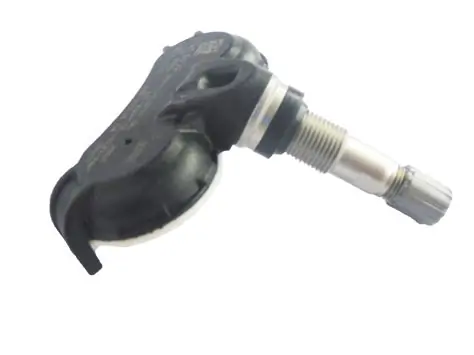
Discover the role, types, benefits, and maintenance of TRW TPMS Sensors to enhance vehicle safety and performance. Learn more in our comprehensive guide!Maintaining optimal tire pressure is crucial for safety and vehicle performance, and that’s where TRW TPMS sensors come into play. These innovative devices are specifically designed to monitor tire pressure, alerting drivers to any deviations that could compromise their safety on the road. In this blog post, we will delve into the world of TRW TPMS sensors, exploring what they are, how they function, and the various types available. We’ll also discuss the numerous benefits they offer, ensuring both enhanced safety and improved fuel efficiency. Additionally, we’ll cover essential maintenance tips and troubleshooting advice to help you keep your TPMS sensors in top condition. Whether you’re a car enthusiast or just want to better understand your vehicle, this guide will provide valuable insights into the importance of TRW TPMS sensors.
What is a TRW TPMS Sensor?
A TRW TPMS (Tire Pressure Monitoring System) Sensor is an essential device installed in vehicles to monitor the air pressure within each tire. These sensors are crucial for maintaining vehicle safety, enhancing fuel efficiency, and preventing tire blowouts.
The TRW TPMS Sensor specifically refers to the advanced tire pressure monitoring technology developed by TRW Automotive, a leading global supplier of automotive systems. The TRW TPMS Sensor continuously measures tire pressure and sends real-time data to the vehicle’s onboard computer system. When tire pressure falls below a predetermined threshold, the system triggers a warning light on the dashboard, alerting the driver to potential issues.
Key Features of TRW TPMS Sensors:
- Real-time Monitoring: Continuously tracks tire pressure for optimal performance.
- Alerts: Provides early warnings through dashboard alerts when tire pressure is low.
- Durability: Engineered to withstand harsh conditions and road wear.
- Compatibility: Can be integrated into most vehicle models equipped with a TPMS.
The TRW TPMS Sensor operates via a battery, which usually has a lifespan of around 5 to 10 years, depending on usage and conditions. When the battery depletes, the sensor will require replacement to ensure continued monitoring.
In summary, the TRW TPMS Sensor is a vital component that helps drivers maintain tire health, enhance safety, and optimize vehicle performance through effective monitoring of tire pressure.
The Function of TPMS Sensors
Tire Pressure Monitoring System (TPMS) sensors play a crucial role in maintaining vehicle safety and performance. These sensors are designed to monitor the air pressure within tires continuously and provide real-time data to the vehicle’s onboard computer system. Below are some of the primary functions of TPMS sensors:
- Pressure Monitoring: The primary function of TPMS sensors is to monitor the tire pressure. They ensure that tires are inflated to the manufacturer’s recommended levels, enhancing safety and efficiency.
- Warning Alerts: When tire pressure drops below a certain threshold, TPMS sensors trigger a warning light on the dashboard. This alert prompts drivers to check their tires, helping prevent blowouts or accidents due to under-inflation.
- Temperature Monitoring: Many modern TPMS sensors also monitor tire temperature in addition to pressure. This information helps prevent overheating and maintains optimal tire performance, especially during long drives.
- Fuel Efficiency: Correct tire pressure allows for improved fuel efficiency. When tires are properly inflated, rolling resistance is minimized, which leads to better gasoline or energy usage.
- Wear and Tear Prevention: By keeping tires inflated to the right pressure, TPMS sensors help reduce uneven tire wear, prolonging the lifespan of the tires and ensuring a smoother ride.
In summary, the function of TPMS sensors extends beyond merely monitoring tire pressure. They contribute significantly to vehicle safety, enhance fuel efficiency, and reduce tire wear. These sensors serve as an essential component in modern vehicles, reflecting the importance of technology in maintaining optimal driving conditions.
Types of TRW TPMS Sensors
The TRW TPMS (Tire Pressure Monitoring System) sensors are essential components designed to maintain optimal tire pressure and safety. These sensors come in various types, each serving specific functions and suited for different vehicle models. Below, we’ll explore the primary types of TRW TPMS sensors available on the market.
| Type of Sensor | Description | Key Features |
|---|---|---|
| Direct TPMS Sensors | Direct TPMS sensors measure the tire pressure through a sensor located inside the tire, providing real-time data to the vehicle’s onboard computer. |
|
| Indirect TPMS Sensors | Indirect TPMS sensors do not measure tire pressure directly but use the vehicle’s ABS (Anti-lock Braking System) sensors to monitor tire speed and estimate tire pressure based on the readings. |
|
| Multi-Channel TPMS Sensors | These sensors can communicate with various tire pressure readings and are equipped with advanced features for enhanced monitoring. |
|
Choosing the right TRW TPMS sensor type for your vehicle is critical to ensure safety and performance. Always consult your vehicle’s manual or a professional technician to determine the most suitable option for your specific model.
Benefits of Using TRW TPMS Sensors
The TRW TPMS (Tire Pressure Monitoring System) sensors are essential devices that play a pivotal role in enhancing vehicle safety and performance. Below, we explore the key benefits of using TRW TPMS sensors in your vehicle.
- Improved Safety: One of the primary benefits of TRW TPMS sensors is their ability to monitor tire pressure in real-time. By ensuring that tires are inflated to the correct pressure, these sensors help prevent accidents caused by tire blowouts or loss of control due to under-inflated tires.
- Enhanced Fuel Efficiency: Proper tire pressure can significantly improve fuel efficiency. TRW TPMS sensors help anticipate and address under-inflated tires, which can lead to increased fuel consumption. Maintaining optimal tire pressure not only saves money at the pump but also reduces the vehicle’s carbon footprint.
- Prolonged Tire Life: Consistently checking your tire pressure with TRW TPMS sensors extends the life of your tires. When tires are properly inflated, they wear more evenly, which can save you the cost of premature tire replacement.
- Convenience: TRW TPMS sensors provide the convenience of automatic monitoring, eliminating the need for manual checks. Alerts are sent directly to the vehicle’s dashboard, allowing drivers to take immediate action when tire pressure drops below safe levels.
- Cost-Effectiveness: While there is an initial cost associated with installing TRW TPMS sensors, the long-term savings associated with reduced fuel consumption, extended tire life, and enhanced vehicle safety make it a sound investment.
- Legal Requirements: In many regions, vehicles are required to have TPMS systems installed. Utilizing TRW TPMS sensors ensures compliance with safety regulations, thus avoiding potential legal issues and fines.
In summary, investing in TRW TPMS sensors not only enhances the safety and performance of your vehicle but also leads to significant long-term savings. Whether you are a daily commuter or an adventurous road-tripper, the advantages of using these sensors are undeniable.
Maintenance and Troubleshooting of TPMS Sensors
Maintaining and troubleshooting your TRW TPMS Sensors is essential for ensuring their optimal performance and longevity. Here we will discuss the key maintenance practices you should adopt and how to effectively troubleshoot common issues.
Routine Maintenance Practices
- Regular Inspections: Check your sensors regularly for signs of wear or damage. Visual inspections can help you catch issues before they become serious.
- Check Tire Pressure: Make sure to monitor your tire pressure frequently. This is a vital part of maintaining your TPMS sensors, as they rely on accurate tire pressure to function correctly.
- Battery Replacement: Depending on the model, the batteries in your TPMS sensors may need replacement every 5 to 7 years. Ensure you are aware of your sensors’ battery life and replace them as necessary.
- Recalibration: If you change tires or reinstall your TPMS sensors, recalibration might be required to ensure accurate readings.
Troubleshooting Common Issues
If your TRW TPMS Sensors are not functioning properly, here are steps you can take to troubleshoot:
- Check for Warning Lights: If your dashboard indicates a TPM warning light, this could signal a low tire pressure or a malfunctioning sensor. Refer to your vehicle’s manual for specific meanings of warning lights.
- Verify Tire Pressure: Use a reliable tire pressure gauge to check the actual tire pressure and compare it with the manufacturer’s recommended levels.
- Inspect Sensor Valve Stems: Ensure that the valve stems are not damaged and are securely attached. Leaks here can cause inaccurate readings.
- Examine Electronic Components: If you notice persistent issues, investigate the wiring and electronic components connected to the sensors for damage or corrosion.
When to Seek Professional Help
If you’ve attempted to troubleshoot the TPMS sensors and still face issues, it may be time to consult a professional. A certified technician can perform a comprehensive diagnostic and make necessary repairs or replacements.
By adopting regular maintenance practices and being aware of troubleshooting techniques, you can ensure your TRW TPMS Sensors remain in top condition, providing accurate tire pressure readings and enhancing your vehicle’s safety.
Frequently Asked Questions
What is a TRW TPMS sensor?
A TRW TPMS sensor is a Tire Pressure Monitoring System component manufactured by TRW, designed to monitor the air pressure in your vehicle’s tires and alert the driver when the pressure falls outside of the recommended range.
How does a TRW TPMS sensor work?
The TRW TPMS sensor uses an internal pressure sensor to measure the air pressure in the tire. If the pressure drops or rises significantly, the sensor sends a signal to the vehicle’s onboard computer, which triggers a warning light on the dashboard.
Why is a TPMS sensor important?
A TPMS sensor is crucial for maintaining optimal tire pressure, which enhances vehicle safety, improves fuel efficiency, and extends tire life by preventing accidents stemming from under-inflated tires.
How can I tell if my TRW TPMS sensor is malfunctioning?
Signs of a malfunctioning TRW TPMS sensor include a persistent tire pressure warning light on your dashboard, inaccuracies in tire pressure readings, or irregular tire pressure fluctuations. It’s recommended to have it checked by a professional if these signs are present.
Can I replace a TRW TPMS sensor myself?
Yes, you can replace a TRW TPMS sensor yourself if you have the proper tools and knowledge. However, it’s advisable to consult professional assistance, especially for recalibration and programming the new sensor to communicate with your vehicle’s system.
How often should I replace my TRW TPMS sensor?
TRW TPMS sensors typically have a lifespan of 5-7 years or about 100,000 miles. It’s advisable to replace them if you notice frequent issues or during tire replacements, to ensure reliable monitoring.
Is there a difference between direct and indirect TPMS sensors?
Yes, direct TPMS sensors, like TRW’s, measure tire pressure using pressure sensors inside the tire, while indirect TPMS systems monitor wheel speed data from the ABS system to estimate tire pressure, making direct sensors generally more accurate.