
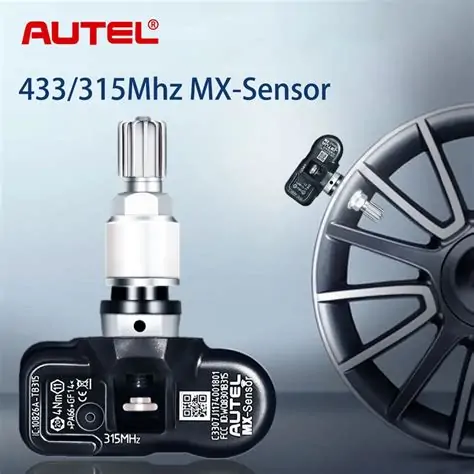
Discover the benefits, installation tips, and maintenance of Universal TPMS Sensors, along with their compatibility across various vehicles. Boost your safety today!**Introduction**
In the ever-evolving world of automotive technology, tire pressure monitoring systems (TPMS) have become essential for ensuring safety and optimizing vehicle performance. Among the various types available, universal TPMS sensors stand out for their versatility and compatibility with multiple vehicle makes and models. This blog post will delve into what universal TPMS sensors are, explore the benefits they offer, and provide a step-by-step guide on installation. Additionally, we’ll discuss their compatibility with different vehicles and share valuable tips for maintaining these sensors. Whether you’re a car enthusiast or just looking to enhance your vehicle’s safety features, our comprehensive guide will help you understand the importance of universal TPMS sensors and how to make the most of them.
What are Universal TPMS Sensors?
Universal TPMS sensors are advanced devices designed to monitor the tire pressure in various vehicles. They play a crucial role in the Tire Pressure Monitoring System (TPMS), a safety feature mandated in many countries to enhance vehicle safety and performance. Unlike traditional TPMS sensors, which are vehicle-specific, universal TPMS sensors are compatible with a wide range of car makes and models, making them a versatile option for both vehicle manufacturers and owners.
These sensors are typically installed inside the tire, attached to the valve stem, and they communicate tire pressure information wirelessly to the vehicle’s onboard computer. If the tire pressure drops below a certain threshold, the system alerts the driver through a warning light on the dashboard.
“The universal aspect of these sensors allows for significant flexibility during tire replacement or maintenance, making them an economical choice for automotive enthusiasts and repair shops alike.”
Key Features of Universal TPMS Sensors
- Compatibility: Designed to work with multiple vehicles across various brands.
- Cost-Effectiveness: Generally more affordable than manufacturer-specific sensors.
- Easy Installation: Installation processes are simplified for quicker replacements.
- Durability: Built to withstand harsh conditions while providing reliable performance.
In summary, universal TPMS sensors provide a practical solution for monitoring tire pressure across different vehicles, enhancing both safety and efficiency on the road.
Benefits of Using Universal TPMS Sensors
Universal TPMS (Tire Pressure Monitoring System) sensors have gained popularity in recent years due to their versatility and ease of use. In this section, we will explore the several benefits of incorporating these sensors into your vehicle’s tire maintenance routine.
1. Cost-Effectiveness
One of the most significant advantages of using universal TPMS sensors is their cost-effectiveness. Unlike OEM (Original Equipment Manufacturer) sensors, which can be expensive and specific to certain vehicle makes and models, universal sensors can be used across a wide range of vehicles, significantly reducing replacement costs.
2. Easy Installation
Installing universal TPMS sensors is typically straightforward. Whether you’re a professional mechanic or a DIY enthusiast, these sensors come with user-friendly instructions, making the installation process hassle-free. Most universal sensors can be installed without specialized tools, further simplifying the procedure.
3. Enhanced Vehicle Safety
By using universal TPMS sensors, drivers can ensure their tires are always at the correct pressure. Maintaining optimal tire pressure is crucial for vehicle safety, as it can prevent blowouts, improve traction, and enhance overall vehicle handling.
4. Broad Compatibility
Universal TPMS sensors are designed to be compatible with numerous vehicle brands and models. This broad compatibility means that you don’t have to worry about finding a specific sensor for each vehicle in your household or fleet.
5. Increased Fuel Efficiency
Tires that are properly inflated contribute to better fuel efficiency. With universal TPMS sensors accurately monitoring tire pressure, drivers can maintain optimal inflation levels, leading to reduced fuel consumption and costs.
6. Real-Time Monitoring
Many modern universal TPMS sensors offer real-time monitoring capabilities. This feature allows drivers to receive immediate alerts if tire pressure fluctuates, enabling them to take corrective action before the situation becomes critical.
7. Sustainable Choice
By preventing uneven tire wear through accurate pressure monitoring, universal TPMS sensors promote longer tire life, which can contribute to less waste and a smaller environmental footprint. This sustainability factor makes them an attractive choice for environmentally conscious drivers.
Overall, the benefits of using universal TPMS sensors extend beyond convenience and savings. They play a vital role in enhancing vehicle safety, improving fuel efficiency, and contributing to a more sustainable automotive environment.
How to Install Universal TPMS Sensors
Installing Universal TPMS Sensors (Tire Pressure Monitoring System Sensors) is a crucial step for maintaining the safety and efficiency of your vehicle. Below is a step-by-step guide to help you understand the installation process:
Required Tools
- Tire Pressure Gauge
- Valve Core Tool
- Socket Wrench Set
- Jack and Jack Stands
- Universal TPMS Sensor Tool
Installation Steps
- Prepare Your Vehicle: Begin by parking your vehicle on a flat surface and engaging the parking brake. This ensures safety during installation.
- Lift the Vehicle: Use the jack to lift the vehicle, and secure it with jack stands. This provides access to the tires without risk.
- Remove the Tire: Use the socket wrench to remove the lug nuts and carefully take off the tire to expose the valve stem.
- Remove the Old Sensor: Use the valve core tool to remove the valve core from the tire’s valve stem, which will allow any remaining air to escape. After this, unbolt the old sensor from the rim.
- Install the Universal TPMS Sensor: Take your new Universal TPMS Sensor and attach it to the rim using the included hardware. Make sure it’s securely fastened.
- Reinstall the Valve Core: Insert the new valve core tightly into the valve stem to prevent air leaks.
- Inflate the Tire: Inflate the tire to the manufacturer’s recommended pressure, using a tire pressure gauge to ensure accuracy.
- Reattach the Tire: Place the tire back onto the rim and hand-tighten the lug nuts. Finally, use the socket wrench to securely fasten the lug nuts in a crisscross pattern.
- Reset the TPMS: Depending on your vehicle, you may need to reset the TPMS system. Refer to your vehicle’s manual for specific instructions on how to do this. Some vehicles will automatically recognize the new sensor, while others may require manual calibration.
- Test the Sensors: After installation, start the vehicle and check for any warning lights on the dashboard. Ensure all sensors are functioning properly by monitoring the tire pressures using the TPMS interface.
Important Reminders
Keep in mind the following:
- Always follow the manufacturer’s instructions for your specific TPMS sensor model.
- Regularly check tire pressures to ensure optimal performance of your Universal TPMS Sensors.
- If you’re uncomfortable performing the installation yourself, consider consulting a professional.
By following these steps, you can successfully install Universal TPMS Sensors and enjoy the benefits of improved safety and vehicle performance.
Compatibility with Different Vehicles
When it comes to Universal TPMS Sensors, one of the most critical aspects to consider is their compatibility with different vehicles. These sensors are designed to be versatile, offering coverage across a wide range of makes and models. This characteristic makes them a popular choice for both consumers and automotive professionals.
Here are a few key points regarding the compatibility of Universal TPMS Sensors:
- Multi-Manufacturer Support: Universal TPMS Sensors are compatible with a variety of manufacturers including Ford, Chevrolet, Toyota, and Honda. This means that whether you drive a sedan, SUV, or truck, there’s a good chance you’ll find a suitable universal sensor.
- Vehicle Year Compatibility: These sensors can be fitted to vehicles across different model years. However, it’s essential to check that the specific sensor model is compatible with the vehicle’s year, make, and model.
- TPMS Protocols: Different vehicle manufacturers use various protocols for their TPMS systems. Most universal sensors are equipped to handle multiple protocols such as 315 MHz and 433 MHz. This feature helps ensure that the sensors can effectively communicate with the vehicle’s onboard computer.
- Direct vs. Indirect Systems: While most vehicles utilize direct TPMS systems, some may use indirect systems that rely on ABS sensors. It’s important to recognize that universal sensors are primarily designed for direct systems.
- Ease of Integration: Universal sensors often come with programming capabilities that allow them to be easily integrated with vehicle systems. Many modern sensors can be synchronized using common programming tools, making installation more straightforward.
In summary, Universal TPMS Sensors offer significant compatibility with various vehicle types. However, always consult the manufacturer’s guidelines or a professional to ensure that you
Tips for Maintaining Universal TPMS Sensors
Maintaining your Universal TPMS Sensors is crucial for ensuring their longevity and optimal performance. These sensors play a pivotal role in monitoring tire pressure, and here are some essential tips to keep them in excellent condition:
1. Regularly Check Tire Pressure
- Make a habit of checking your tire pressure at least once a month.
- Use a reliable gauge to ensure accurate readings.
- Look for any significant differences in pressure that could indicate sensor issues.
2. Ensure Proper Installation
Confirm that your Universal TPMS Sensors are installed correctly, as improper installation can lead to malfunction. Consider the following:
- Ensure that the sensors are mounted on the correct wheel positions.
- Double-check that they are securely fastened to prevent vibrations.
3. Monitor Battery Life
The lifespan of your TPMS sensors’ batteries typically ranges from 5 to 10 years. To maintain performance:
- Keep an eye on warning lights on your dashboard as they could indicate a dying battery.
- Replace sensors with new batteries when needed.
4. Be Mindful of Temperature Fluctuations
Extreme temperatures can affect tire pressure and sensor functionality. To combat this:
- Avoid driving on excessively hot or cold days without checking tire pressure.
- Store your vehicle in a climate-controlled environment when possible.
5. Avoid Overloading Your Vehicle
Exceeding your vehicle’s weight limit can impact tire pressure and sensor effectiveness:
- Refer to your vehicle owner’s manual for the correct weight limits.
- Redistribute weight properly if you notice uneven pressure readings.
6. Inspect the Tires for Damage
Regularly inspect your tires for signs of damage or wear:
- Check for cracks, punctures, or uneven wear.
- Address any issues promptly to maintain sensor accuracy.
7. Watch Out for Road Hazards
Avoiding road hazards can protect your tires and sensors:
- Stay vigilant for potholes and debris that could damage your tires or sensors.
- Swerve or slow down if you see something hazardous ahead.
By following these tips, you can ensure the longevity and reliability of your Universal TPMS Sensors. Regular maintenance will help keep your sensors in peak performance, providing you with accurate tire pressure readings for safer driving.
Frequently Asked Questions
What are universal TPMS sensors?
Universal TPMS sensors are tire pressure monitoring system sensors designed to be compatible with a wide range of vehicle makes and models, allowing for easier installation and replacement.
How do universal TPMS sensors work?
Universal TPMS sensors work by monitoring the air pressure inside each tire and sending data wirelessly to the vehicle’s onboard computer, alerting the driver if the tire pressure falls below a certain threshold.
What are the benefits of using universal TPMS sensors?
The benefits of using universal TPMS sensors include cost-effectiveness, ease of installation, compatibility with multiple vehicles, and enhanced safety through timely alerts about tire pressure issues.
Can universal TPMS sensors be installed on any vehicle?
While universal TPMS sensors are designed to be compatible with many vehicles, it’s essential to check the vehicle’s specifications and the sensor’s compatibility before installation.
How are universal TPMS sensors programmed?
Universal TPMS sensors are typically programmed using a TPMS tool, which allows the technician to sync the sensor with the vehicle’s onboard system and ensure accurate data transmission.
Are universal TPMS sensors reliable?
Yes, universal TPMS sensors are generally reliable, but the quality may vary between manufacturers, so it’s important to choose reputable brands for optimal performance.
What should I do if my universal TPMS sensor shows a warning light?
If your universal TPMS sensor triggers a warning light, check the tire pressures immediately. If they are fine, it may indicate a malfunction or that the sensor needs to be reset or replaced.